Regina Conti | Neurodiversity & The Arts | Arts Advocate Spotight

“Learning comes in many forms: cognitive, emotional, embodied… Many elements go into making experiences more salient for learning, among them novelty, humor, curiosity, attention level, creativity, motivation, environment, and the unique way your brain develops.”
― Susan Magsamen, Your Brain on Art: How the Arts Transform Us
New Project Release | Workin’ All My Days Community Inclusion Program Spring 2026
For Regina Conti, this work begins with both her professional research and her life as a parent.
A social psychologist and associate professor in Colgate University’s Department of Psychological and Brain Sciences, Regina teaches a seminar on Neurodiversity and Community Inclusion, where students explore the neurodiversity movement while working directly alongside local community members with a wide range of cognitive and developmental experiences. But the roots of this work are also deeply personal.
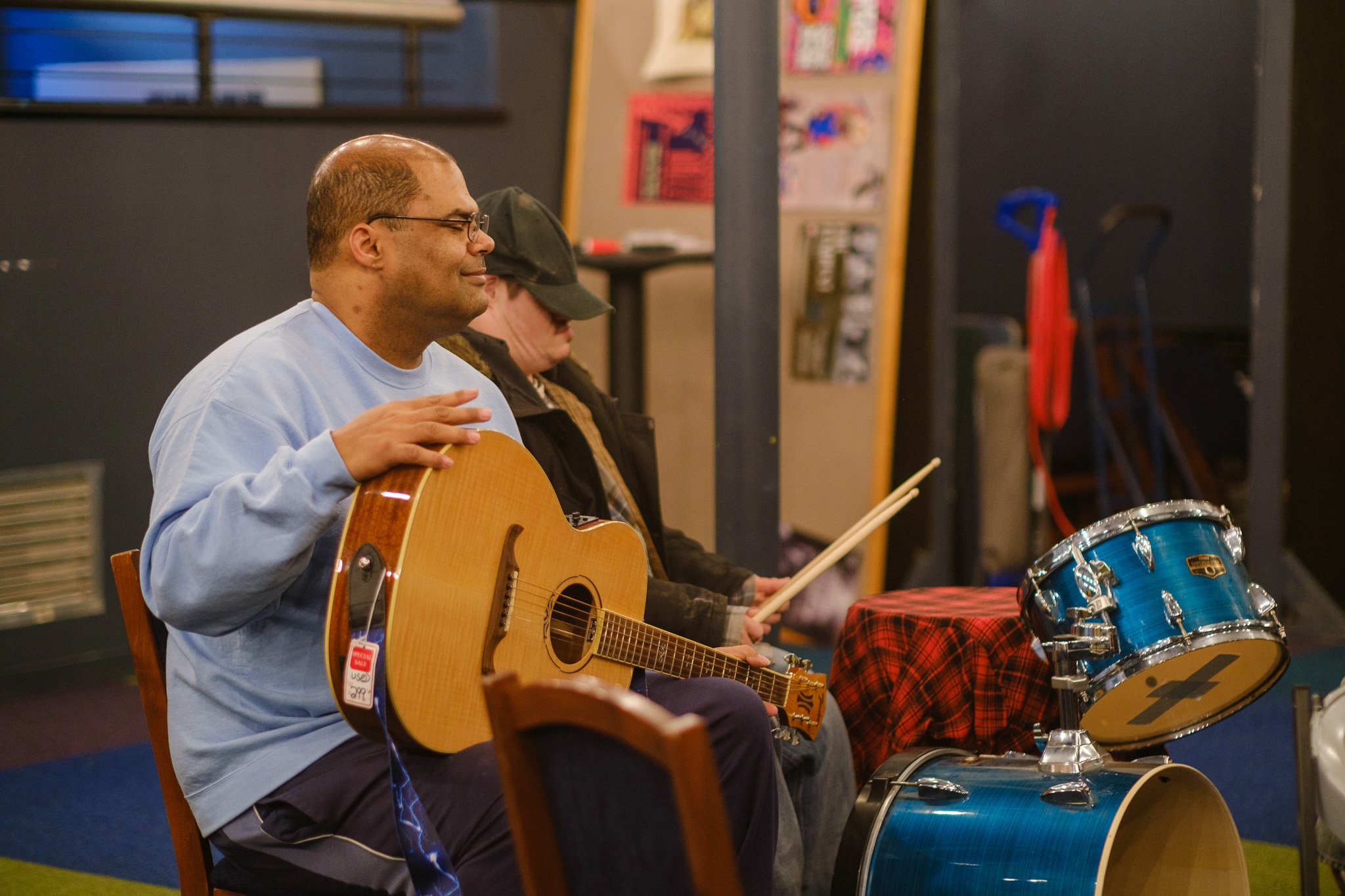
FRegina is the mother of an autistic young man named Max, and she shares that her experiences with him have “fueled my enthusiasm for community inclusion.” After more than 32 years living in Hamilton, she had often felt that much of community life simply wasn’t set up in ways that welcomed families like her. “For many of those years I felt like an outsider” she admits.
During the pandemic, that changed.
She finally felt understood as everyone experienced what living with oppressive limitations and struggles with anxiety and isolation is like. Regina found more time to walk through the community with Max, talk with neighbors, and experience a different pace of connection. “Things slowed down and people had time for Max and me,” she reflects. “They saw ways that he could connect, given some space and encouragement.” That experience helped clarify something that would later shape both her teaching and community work: “the aloofness that we saw earlier had more to do with the social environment than his atypical development.”
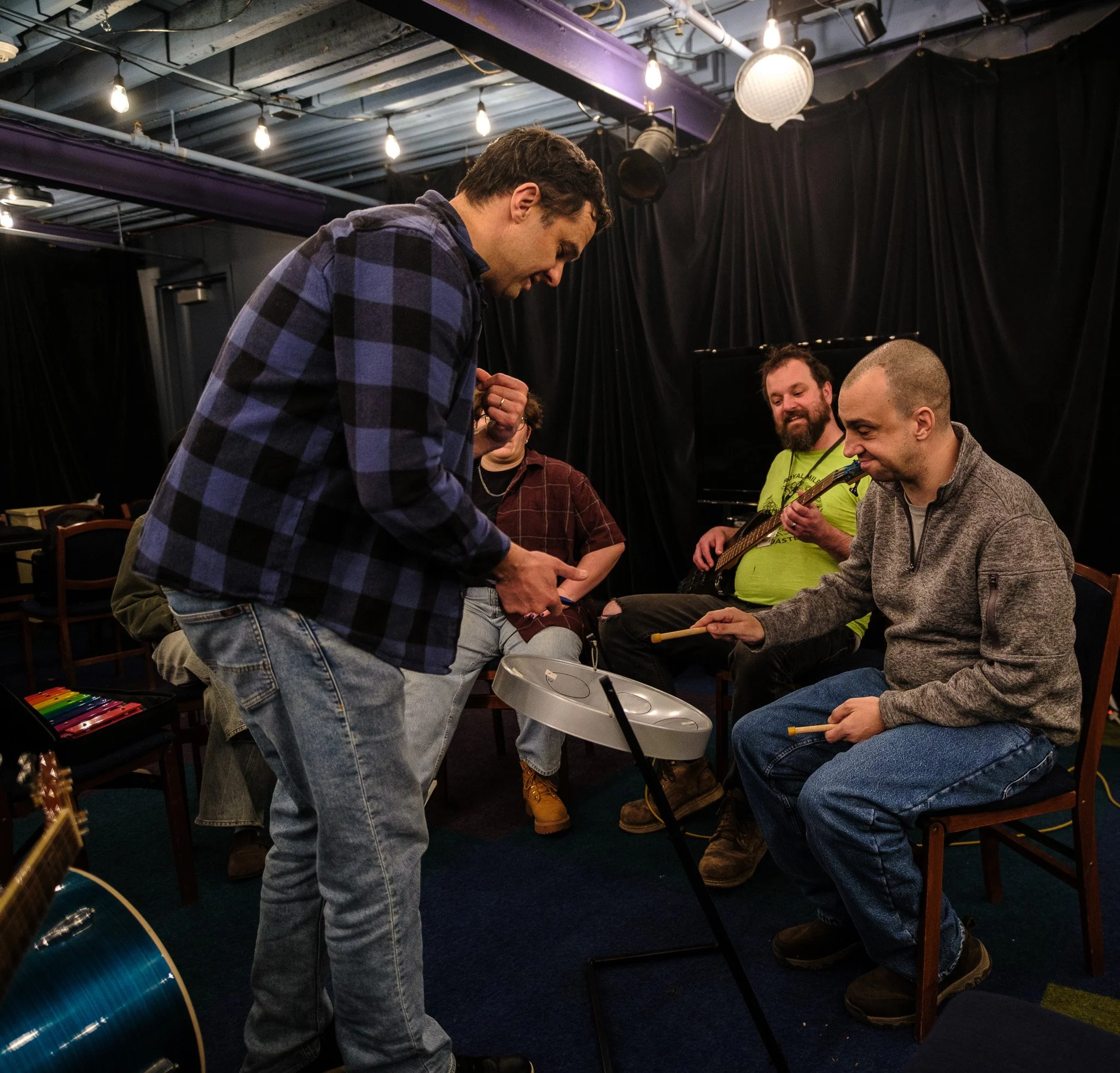
“This idea - that disability has more to do with the social environment than the person - is central to the neurodiversity paradigm. That same year, I was seeing exciting articles on this in top journals. Wow! I thought. This is a great chance to unite a personal insight with this new emphasis in the research literature and create a course that tackles a practically important social problem.”
Thus was born the Colgate Community Inclusion Program, which Regina launched at the end of the pandemic. Her students were eager to reconnect with the local community, while organizations like Village Clay, Milford Textile Mill and Hamilton Center for the Arts were open to welcoming neurodivergent participants into new kinds of programming.
For the past few years, that vision has also taken meaningful shape at Arts at the Palace.
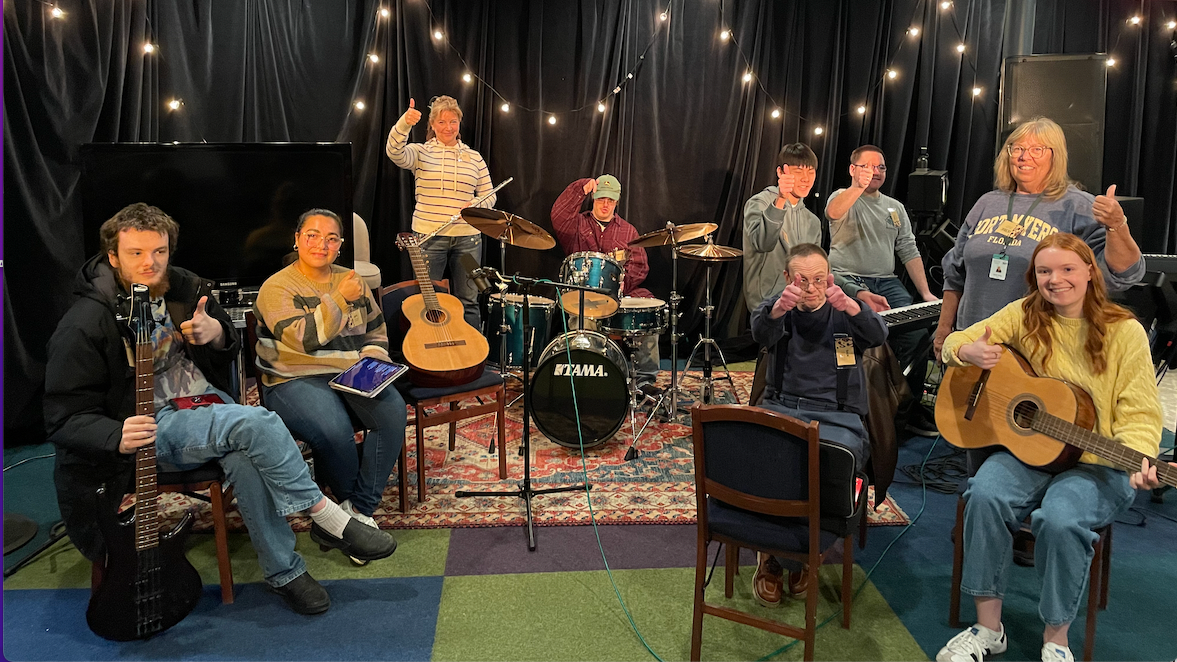
We have been honored to work with folks from Heritage Farm, Colgate students, and local volunteers in our space built around creativity, collaboration, and a LOT of fun. During these six-week sessions everyone involved is introduced to the process of songwriting and music production. We are always proud to provide the space, equipment, and leadership to help create meaningful projects together.
For Regina, the arts are especially powerful because they create multiple pathways for engagement. As she explains, “People who struggle to process speech sounds often have a more satisfying experience processing tones, rhythm, visual or proprioceptive information. The arts convey ideas using many different sensory modalities, thus providing varied opportunities for engagement.”
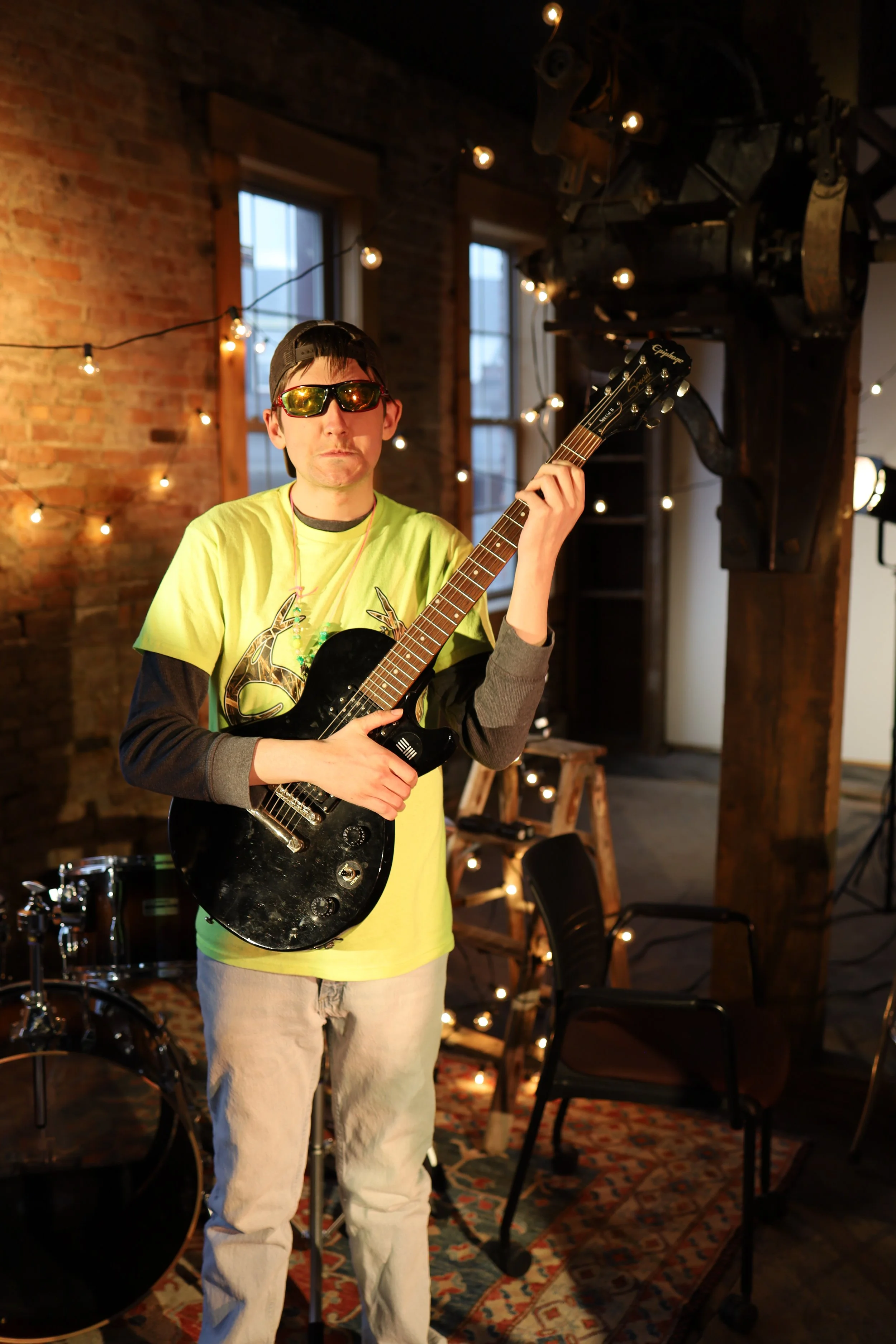
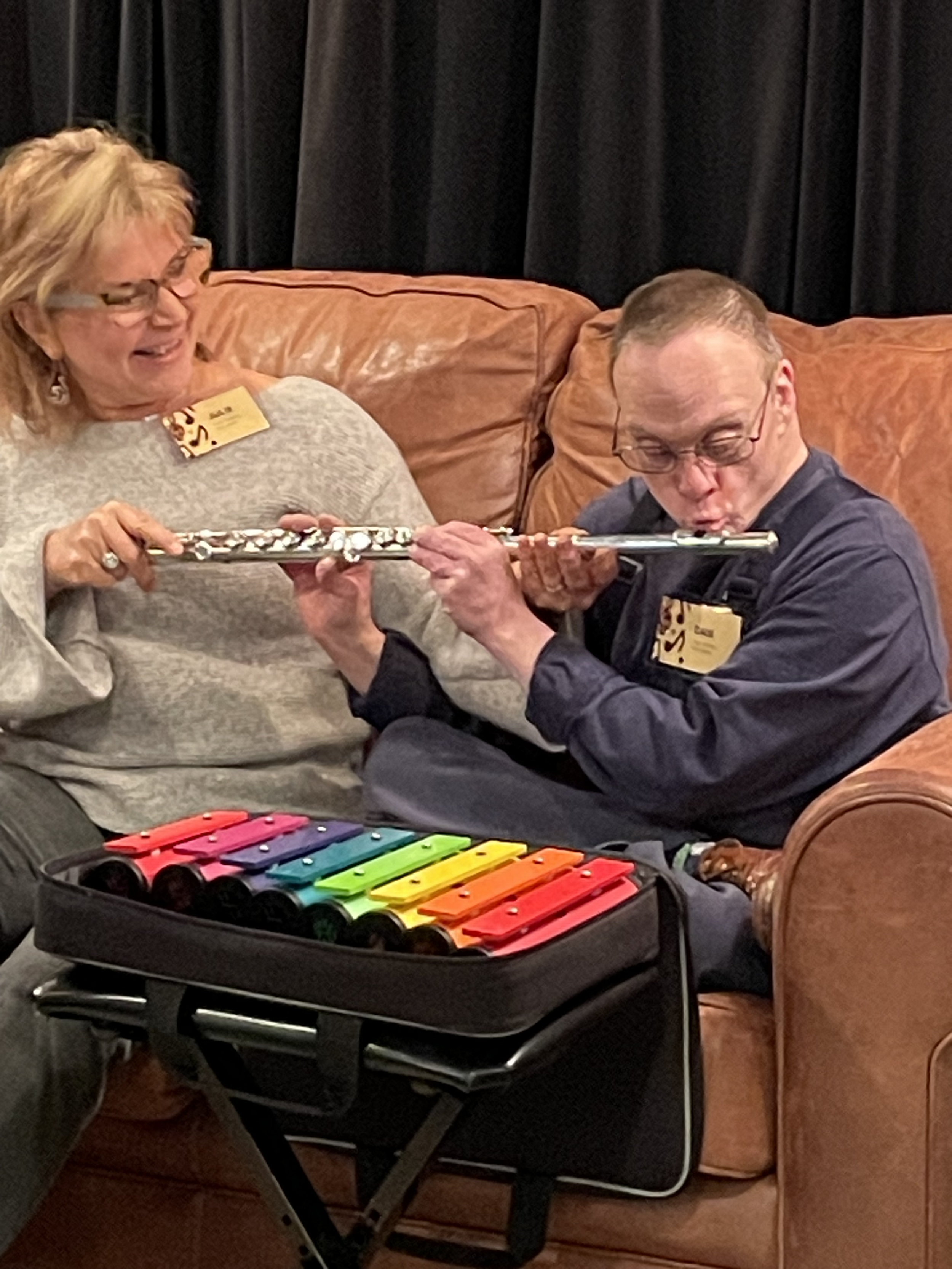
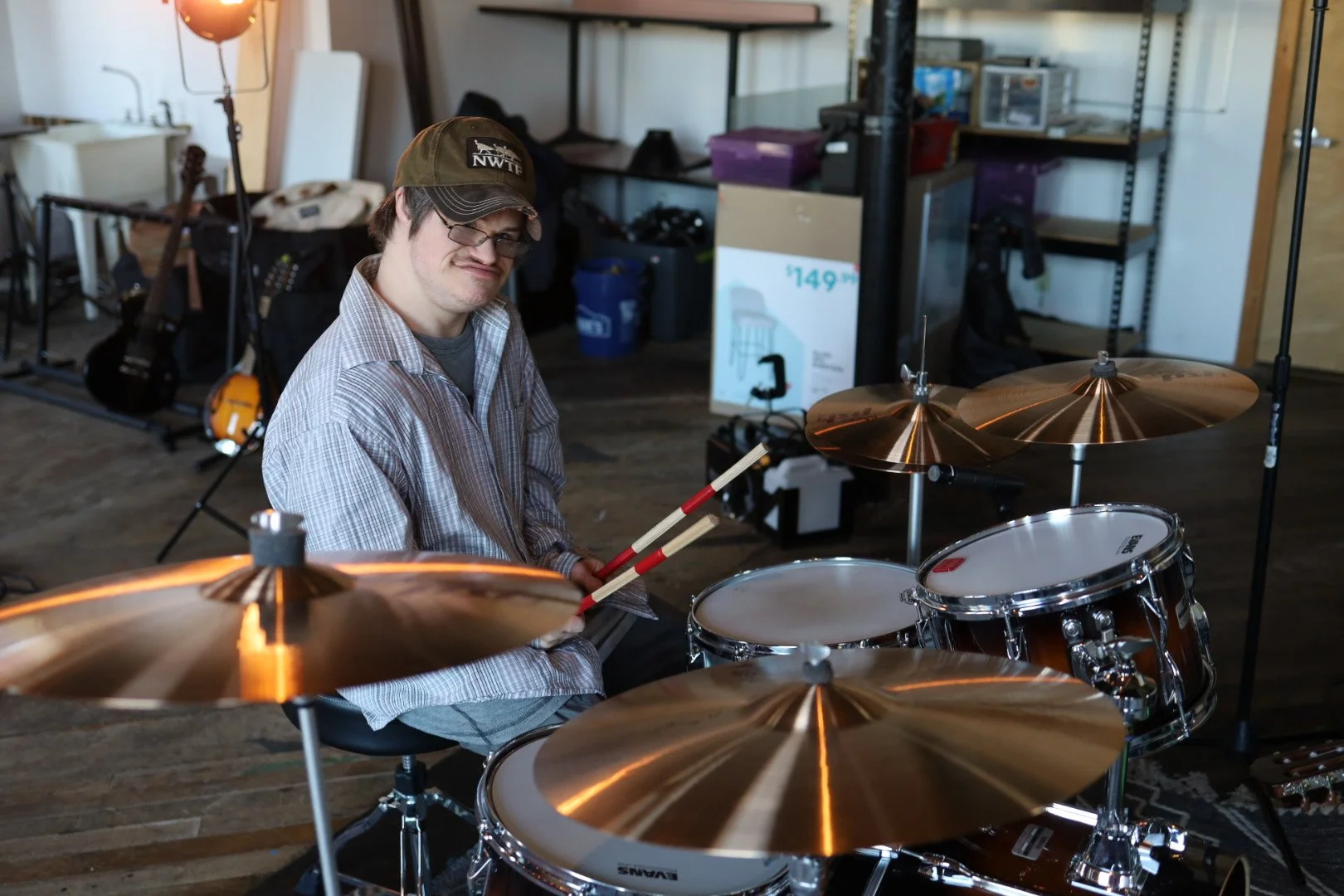
An increasing number of studies are coming out that this kind of work is powerful because the arts can reach people in ways that words can not. Research by Susan Magsamen and Ivy Ross (Your Brain On Art, How The Arts Transform Us), show that music and creative activities help engage the brain through sound, movement, and sensory experience, while also boosting dopamine, serotonin, and oxytocin - the chemicals connected to joy, calm, and connection. For many neurodivergent individuals, that kind of creative environment can offer regulation they can not access anywhere else.
Just as importantly, Regina points to the strengths neurodivergent people bring into creative spaces. “Neurodivergent people have a great variety of interests, abilities, strengths and perspectives and the arts provide a context in which their creativity is valued.”
That creativity is now front and center with the release of the program’s newest music video… Workin’ All My Days. Created together during this year's session, the song captures the joyful shared process that has made this program so meaningful over the past few years.
Workin’ All My Days joins the growing catalog of past projects including;
When I Fall In Love by The Steel Guitars’
Moonshine Guy by The Eclectic Measures
Each song and video reflects what Regina’s research continues to show; collaborative arts engagement helps people feel close to one another and creates “a powerful bonding experience for neurodiverse teams.”
That spirit of belonging and creativity is what continues to make this partnership between Colgate, Heritage Farm, and Arts at the Palace so special. Enjoy Workin’ All My Days, the newest project of this partnership!